
Mauritius is home to over a dozen notable mountains, led by Black River Peak (828m), Pieter Both (820m), and the UNESCO-listed Le Morne Brabant (556m).
Discover the Mountains in Mauritius
Imagine the sun rising over calm turquoise waters, gently casting light onto a dramatic mountain skyline. This is Mauritius, an island where lofty peaks stand above sugar cane fields and coastal villages, offering countless hiking trails for every nature enthusiast. If you have been looking for an exciting change of scenery, this list of mountains in Mauritius promises an adventure like no other. Beyond the famous beaches, the island provides a diverse range of activities for those wondering what to do in Mauritius during their stay.
The Volcanic Origins of Mauritius’ Peaks
Many first-time visitors are surprised to learn that Mauritius boasts more than just pristine lagoons. Once you leave the coast and head inland, you will discover rugged peaks and verdant highlands shaped by the island’s volcanic past. Geologically speaking, these mountains are remnants of ancient volcanic activity that occurred millions of years ago. According to Britannica, the island is almost entirely surrounded by coral reefs and was formed through successive volcanic eruptions.
Because Mauritius has a relatively small area, you can stand on a summit and gaze out upon the Indian Ocean in nearly every direction. If you are planning a trip to see these geological wonders, knowing how to get to Black River Gorges National Park is essential, as this area contains some of the most significant formations on the island.
Where Mauritius’ Mountains Are Located
Understanding where the mountains are located helps you plan smarter hiking routes and reduce unnecessary travel time between regions. Mauritius may be small, but its peaks are spread across distinct geographic zones, each offering a very different hiking experience.
Western Region: Black River Gorges, Rempart Mountain
The western region is home to the island’s most famous hiking area, the Black River Gorges National Park. This zone features dense forests, waterfalls, and the highest concentration of hiking trails, including challenging routes leading toward Rempart Mountain.
Central Region: Pieter Both, Le Pouce
The central highlands are dominated by iconic volcanic formations. Pieter Both stands out with its signature boulder peak, while Le Pouce offers one of the most accessible summit hikes near the capital, Port Louis.
Southern Region: Le Morne Brabant, coastal cliffs
The south is defined by dramatic landscapes where mountains meet the ocean. Le Morne Brabant rises above turquoise lagoons and carries deep historical significance, making it one of the most meaningful climbs on the island.
Eastern Region: Lion Mountain, scattered peaks
The eastern side features smaller but scenic mountains such as Lion Mountain, known for its distinct shape and coastal viewpoints. This region is quieter and ideal for less crowded hikes.
Northern Region: Montagne Longue and surrounding hills
The north includes gentler elevations and smaller peaks, often overlooked but perfect for short hikes and panoramic views of the coastline.
Many of these mountains are interconnected through forest reserves and protected areas, making it possible to combine multiple hikes across regions within a single trip.
A Comprehensive List of Mountains in Mauritius
You will find no shortage of notable summits on the island. Some mountains are famous for their hiking trails, while others are steeped in local legend and history. Below is a list of mountains in Mauritius that are highly popular among explorers, including elevation data from GeoNames:
| Mountain | Approx. Elevation | Special Note |
|---|---|---|
| Black River Peak | 828 m | Highest mountain in Mauritius |
| Le Morne Brabant | 556 m | UNESCO World Heritage Site |
| Pieter Both | 820 m | Distinctive head-shaped boulder |
| Le Pouce | 812 m | Known as “The Thumb” |
| Corps de Garde | 780 m | Dramatic ridges near urban centres |
| Rempart Mountain | 777 m | Picturesque highlight near Tamarin |
| Lion Mountain | 480 m | Reminiscent of a crouching lion |
| Montagne Ory | 640 m | Gentle slopes ideal for day hikes |
Iconic Summits and Cultural Landmarks
Nearly every visitor’s itinerary includes Le Morne Brabant and Pieter Both. These two peaks exemplify the island’s cultural depth and natural wonder, each telling a story of its own.
Le Morne Brabant
Situated on the southwestern tip of Mauritius, Le Morne Brabant rises dramatically above the surrounding lagoon. It is recognised as a UNESCO World Heritage Site because it served as a refuge for runaway slaves, known as maroons, during the 18th and early 19th centuries. For many, this mountain is what is the main attraction in Mauritius when seeking historical context.
Pieter Both
Pieter Both is perhaps the most visually distinctive mountain due to the giant boulder perched at its peak. Fun Fact: This mountain is named after the first Governor-General of the Dutch East Indies. Trekking here requires decent fitness, and the final sections involve narrow ridges that challenge even experienced climbers.
Difficulty Levels of Mauritius Mountains
Easy Hikes
- Montagne Ory
- Lower sections of Le Pouce
Best for beginners and casual walkers
Moderate Hikes
- Le Morne Brabant
- Lion Mountain
- Rempart Mountain
Requires moderate fitness
Challenging Climbs
- Pieter Both
- Black River Peak
Recommended for experienced hikers
Planning Your Mountain Excursion
Whether you are visiting Mauritius for a short holiday or an extended stay, planning your mountain excursions in advance helps you experience the island’s inland beauty without feeling rushed. While beaches are often the main attraction, setting aside dedicated time for hiking will significantly enrich your trip.
When deciding how many days you need to see Mauritius tourist places, ensure you leave at least two or three days specifically for mountain adventures, especially if you want to visit both central peaks and coastal viewpoints. Because distances are relatively short, you can often combine two nearby mountains in a single day if your schedule is well organised.
To maximise your experience:
- Plan your hikes by region grouping to minimise travel time
- Combine easy and moderate trails for a balanced adventure
- Start early in the morning to avoid heat and crowded paths
- Keep afternoons free for nearby cultural or coastal stops
- Use mapping tools or guided services for remote trails
For example, a well-structured day could include a morning hike at Le Pouce, followed by a cultural visit in Port Louis, or a sunrise climb in the south followed by relaxation at a nearby beach.
You can find more detailed information about elevations and trail maps on PeakVisor, which tracks topographical data for the island. For those looking for the most popular paths, identifying what are the top hiking trails in Mauritius will help you prioritise your limited time.
Safety and Sustainable Hiking Practices
Mountain excursions in Mauritius require responsible planning. Weather systems can change quickly, bringing sudden rain showers. Engaging in Mauritius adventure activities is safest when you are prepared with the right gear and local knowledge.
Safety Tip: Always notify someone of your expected return time before heading into the highlands.
Researchers often use EBSCO resources to study the endemic biodiversity found on these slopes. Many plants on these mountains grow nowhere else on Earth. Minimising your ecological footprint is an ongoing commitment every traveller should make by staying on marked paths and carrying out all trash.
Quick Guide to Mountains, Trails, and Travel Tips in Mauritius
Top Mountain Peaks
- Black River Peak: highest summit in Mauritius
- Le Morne Brabant: UNESCO heritage and cultural icon
- Pieter Both: most distinctive summit formation
- Le Pouce: best beginner-friendly viewpoint
Best Hiking Areas
- Black River Gorges: forest trails and waterfalls
- Le Morne: coastal + mountain combination hikes
- Corps de Garde: panoramic inland views
- Montagne Ory: easy nature walks
Travel Tips
- Start hikes early to avoid heat
- Carry enough water and sun protection
- Wear proper hiking shoes for rocky terrain
- Always check weather conditions before hiking
Best Time to Explore Mauritius Mountains
- May–October: Best hiking conditions (cool and dry), with clearer skies, lower humidity, and more stable trails, making it ideal for both beginners and experienced hikers exploring peaks like Le Pouce or Black River Peak.
- November–April: Hot, humid, cyclone risk period, with heavier rainfall that can make trails slippery and reduce visibility, especially in forested or steep mountain areas.
- Early morning: Safest and most scenic hiking time, offering cooler temperatures, softer lighting for photography, and a better chance of reaching summits before clouds form over higher elevations.
- Midday: Avoid due to heat exposure, as temperatures rise significantly and trails become more tiring, especially on exposed ridges or long ascents with limited shade.
Explore The List of Mountains in Mauritius
Exploring the list of mountains in Mauritius reveals a completely different side of the island beyond its beaches and resorts. From volcanic peaks and panoramic viewpoints to UNESCO-listed landmarks and cultural heritage sites, each mountain offers a unique experience shaped by nature and history. Whether you are a beginner hiker or an experienced trekker, Mauritius provides accessible and rewarding trails that allow you to experience its landscapes from a new perspective. With proper planning, safety awareness, and seasonal timing, your mountain adventure can become one of the most memorable parts of your trip
Plan Your Mauritius Mountain Adventure with Island Route
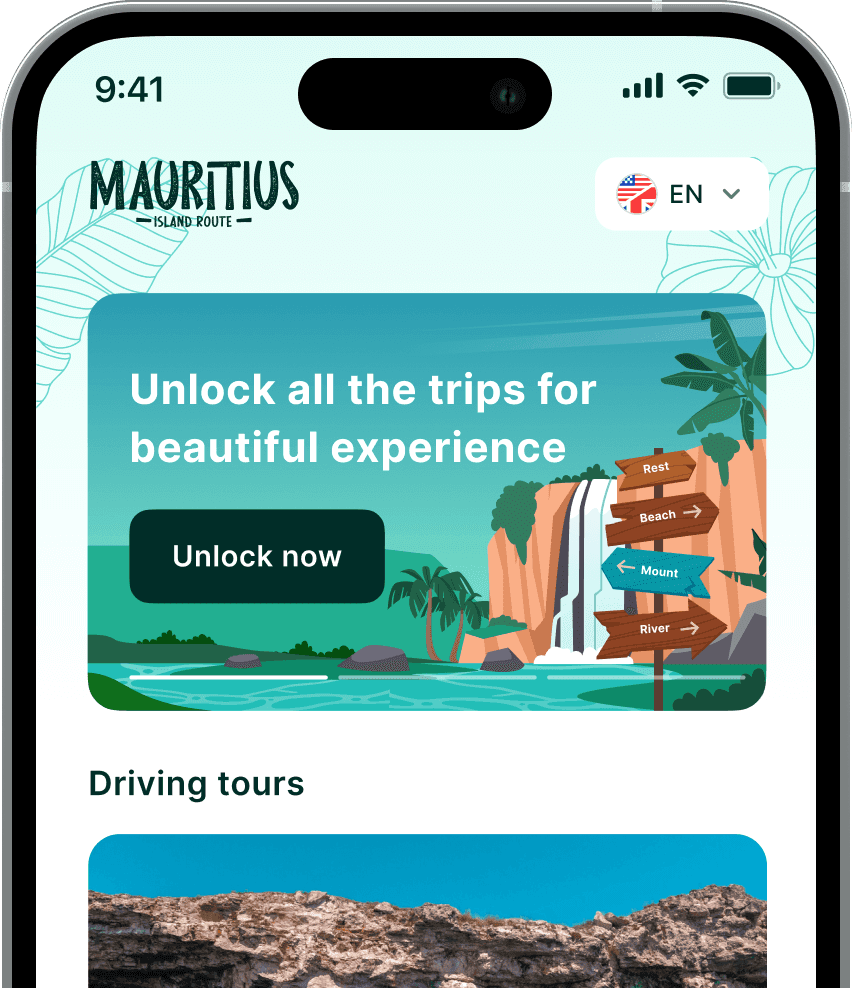
Make your journey across the island smoother and more organised with expert travel tools from Island Route. Discover curated hiking routes, regional guides, and practical planning resources designed to help you explore Mauritius with confidence and ease.
Visit Island Route to plan your itinerary, compare hiking routes, and access personalised travel support for your trip. Start building a well-structured island adventure that lets you experience the very best of Mauritius’ mountains, trails, and natural landscapes.