
Mauritius offers a rich cultural experience, with a unique blend of African, Asian, and European influences shaping its traditions, language, and cuisine. From vibrant festivals to local markets, exploring Mauritius culture enhances every moment of your trip. Immerse yourself in the island’s diverse heritage through its music, food, and religious diversity for a truly unforgettable journey.
Mauritius Culture: A Rich Blend of Traditions, Heritage, and Diversity
Mauritius culture is a remarkable fusion shaped by African, Asian, and European influences, forming a vibrant tapestry reflected in its languages, festivals, music, architecture, and culinary traditions. This diversity is not simply historical. It actively defines modern life on the island. For travellers, engaging with local culture transforms a relaxing holiday into a meaningful and enriching experience. Every cultural encounter offers insight into how different communities have blended their traditions while preserving their identities. This guide explores the layers of Mauritius culture and shows how its rich heritage can enhance every stage of your stay, from casual conversations with locals to deeper cultural exploration.
Mauritius is more than a tropical island with beautiful beaches. Its multicultural heritage, shaped by African, Asian, and European influences, is one of the country’s greatest attractions. Exploring local traditions, cuisine, festivals, and historic landmarks helps visitors experience a richer side of Mauritius beyond its coastline.
Discover the Essence of Mauritius Culture
More than a tropical destination, Mauritius is a living example of cultural coexistence, where mauritius culture reflects centuries of shared history. Centuries of migration have created a society where traditions overlap naturally, forming a shared identity built on respect and unity. To understand who Mauritians are and where they come from, see our guide to Mauritian people and identity. From bustling village markets and roadside food stalls to energetic Sega performances and religious celebrations, culture is woven into everyday life. You may hear multiple languages spoken in a single conversation or see temples, mosques, and churches standing within walking distance of one another. Understanding this cultural background allows visitors to fully appreciate the island’s character and recognise Mauritius as a place where diversity strengthens community rather than dividing it.
A Glimpse into Colonial History
Mauritius’s role as a strategic port in the Indian Ocean placed it under Dutch, French, and British rule at different periods, each leaving a lasting imprint on mauritius culture. These colonial eras introduced architectural styles, legal systems, agricultural practices, and social structures that still influence modern mauritius culture today. After gaining independence, the nation embraced its multicultural roots rather than erasing its past. This is why French colonial buildings, British administrative influences, and modern urban development coexist seamlessly today. The island’s history of indentured labour and migration brought people from India, Africa, China, and Europe, shaping a society where multiple cultural identities exist side by side and contribute to a shared national identity.
Diverse Influences in Daily Life
The blending of cultures in Mauritius is most visible in everyday experiences, where mauritius culture is expressed naturally. From the spices used in cooking to the music played at family gatherings, influences from different regions merge naturally as part of mauritius culture. By exploring the many things to do in Mauritius, travellers quickly notice how cultural diversity shapes daily routines. Conversations with locals, visits to neighbourhood temples or mosques, and time spent wandering through markets provide authentic insight into how this multicultural society functions. Each interaction reveals how tradition, adaptation, and shared values have created a harmonious way of life.
Explore Languages and Traditions
Language plays a central role in Mauritian identity, reflecting the island’s complex history and mauritius culture.
It is common to hear several languages spoken throughout the day, sometimes within the same household, which highlights the depth of mauritius culture. This linguistic diversity enhances communication and strengthens social bonds across communities.
A Tapestry of Tongues
- Official Languages: Language plays a central role in Mauritian identity, reflecting the island’s complex history and mauritius culture. It is common to hear several languages spoken throughout the day, sometimes within the same household, which highlights the depth of mauritius culture. This linguistic diversity enhances communication and strengthens social bonds across communities.
- The Unifying Language: Mauritian Creole, a French-based language with influences from African and Asian languages, serves as the island’s lingua franca, connecting all communities.
- Local Phrases: Learning a few Creole phrases, such as “Kouma sa?” (How are you?) or “Mersi” (Thank you), is a great way to connect with locals and experience mauritius culture firsthand.
Community and Social Gatherings
Social gatherings in Mauritius reflect the island’s inclusive spirit, which is central to mauritius culture. Weddings, religious ceremonies, and family celebrations are lively events where traditions blend naturally as part of mauritius culture. It is common to see traditional Indian attire, African-inspired patterns, and Western clothing worn together, symbolizing unity through diversity. These gatherings highlight the respect and understanding that define Mauritian society. Visitors are often welcomed warmly, making it easy to experience culture firsthand through shared meals, music, and conversation.
Experience Religious Diversity
The spiritual landscape of Mauritius adds another fascinating layer to mauritius culture and its sense of harmony. Hinduism, Christianity, Islam, and Buddhism flourish side by side, and mauritius culture is reflected in the island’s mosques, churches, temples, and shrines. For Muslim travellers, see our Muslim-friendly Mauritius guide.
Must-See Places of Worship
- Grand Bassin (Ganga Talao): A sacred crater lake for Hindus, known for its serene atmosphere and the towering statue of Lord Shiva.
- Jummah Mosque in Port Louis: A peaceful sanctuary featuring a blend of Indian, Creole, and Islamic architectural styles.
- Colourful Tamil Temples: These vibrant structures offer a glimpse into the rich heritage of the Tamil community, including Maheswarnath Mandir and Sockalingum Meenatchee Ammen Temple, both known for their intricate architecture and colourful facades.
Cultural Etiquette
When visiting religious sites, dress modestly and be mindful of local customs, which is an important part of respecting mauritius culture. Remove your shoes where required before entering temples or shrines, and avoid photographing inner sanctums unless it’s clearly permitted. It is always best to ask for permission before taking any photographs. A simple greeting or adhering to the dress code shows respect and can open the door to deeper cultural connections within mauritius culture.
Taste the Flavours of the Island
Mauritian cuisine is a delicious celebration of the island’s diverse heritage and an essential expression of mauritius culture. Each dish tells a story, with hints of Indian curries, Chinese stir-fries, African stews, and French culinary artistry that define mauritius culture. Exploring the local Mauritius food is an essential part of the cultural experience.
Signature Dishes to Try
- Dholl Puri: A thin, savory flatbread stuffed with ground yellow split peas and served with curries and pickles. It is a beloved street food.
- Bol Renversé: Meaning “upside-down bowl,” this is a Chinese-inspired dish with layers of rice, stir-fried vegetables, meat or seafood, and a fried egg on top.
- Rougaille: A rich, tomato-based Creole sauce flavored with onion, garlic, ginger, and chilies, often served with meat or fish.
For a more hands-on experience, consider joining a local food tour or cooking class, where you can learn to prepare these dishes yourself using fresh island ingredients.
Enjoy Vibrant Festivals and Celebrations
Mauritius’ calendar is filled with colour and celebration throughout the year, offering visitors a chance to witness mauritius culture in its most vibrant form. Each festival carries deep religious and historical meaning while welcoming travellers to join in the festivities.
Major Annual Festivals
- Divali: Known as the “Festival of Lights,” this Hindu celebration sees homes illuminated with traditional clay lamps and festive lights.
- Holi: A joyous Hindu festival of colours, music, and dance that celebrates the triumph of good over evil.
- Chinese New Year: Marked by vibrant lion and dragon dances, fireworks, and the sharing of traditional cakes.
- Eid al-Fitr: This Muslim holiday marks the end of Ramadan and is celebrated with prayer, feasts, and family gatherings.
Dive into Music and Dance
Music and dance are central to Mauritian identity, with Sega standing as the most iconic expression of cultural resilience. Originating from African slave communities, Sega is performed through rhythmic movement, traditional instruments, and expressive storytelling. Recognised by UNESCO Intangible Cultural Heritage list, Sega remains a powerful symbol of history, freedom, and joy. Watching or participating in a Sega performance offers a deeper emotional connection to the island’s past and present.
Sega as a Cultural Mainstay
- The Dance: Sega dancing is instantly recognisable for its rhythmic hip-swaying, fluid body movements, and expressive footwork that often takes place barefoot on sand or open ground. The dance emphasises freedom of movement rather than rigid choreography, allowing performers to respond naturally to the rhythm of the music. Dancers use subtle gestures, flowing skirts, and coordinated steps to convey emotion, joy, and storytelling. The relaxed yet powerful movements reflect both the celebratory and historical roots of Sega, making each performance feel personal and alive.
- The Music: The sound of Sega is driven by traditional percussion instruments that create an infectious rhythm designed to move both body and spirit. The Ravanne, a large goat-skin drum, sets the heartbeat of the music with deep, resonant tones. The Maravanne, a handmade rattle filled with seeds, adds texture and rhythm, while the Triangle provides sharp, metallic accents that keep the tempo lively. Together, these instruments create a layered, organic sound that feels raw and energetic, often encouraging spontaneous participation from the audience.
- The Lyrics: Sega lyrics are traditionally sung in Mauritian Creole and often tell stories of everyday life, love, hardship, and resilience. Many songs carry themes rooted in the history of slavery and freedom, passed down orally through generations. Call-and-response singing is common, inviting the audience to join in and turning each performance into a shared, communal experience rather than a passive one.
Connect Through Arts and Crafts
Beyond music, the arts are woven into daily Mauritian life through handmade crafts, textiles, and creative traditions passed down through generations. Engaging directly with local artisans offers a different kind of cultural connection than watching a performance or visiting a landmark.
Try a Creative Workshop
- Craft Classes: Look for short classes in traditional weaving or painting, often held in community centres, where local artisans teach visitors hands-on techniques.
- Sega Dance Workshops: Rather than just watching a performance, join a Sega dance workshop to learn the rhythmic footwork and movement yourself. It’s one of the most immersive ways to connect with the island’s cultural resilience.
- Handmade Souvenirs: Look for woven baskets, coconut and bamboo jewellery, and other locally crafted goods. Purchasing directly from artisans supports small businesses and lets you bring home a genuine piece of Mauritian heritage.
Visit Museums and Heritage Sites
Museums and heritage sites provide context to Mauritius’s multicultural evolution and help preserve mauritius culture. Aapravasi Ghat tells the story of indentured labourers and migration, while the Blue Penny Museum and Château de Labourdonnais highlight different chapters of mauritius culture. Visiting these sites helps travellers understand how Mauritius became the diverse society it is today.
Tracing the Past
- Aapravasi Ghat: A UNESCO World Heritage Site in Port Louis that marks the landing point of the first indentured labourers from India. This site is a poignant reminder of the island’s history of migration.
- Blue Penny Museum: Located at the Caudan Waterfront, this museum showcases the island’s maritime history and holds two of the rarest stamps in the world.
- Château de Labourdonnais: This restored colonial mansion provides a glimpse into 19th-century plantation life, complete with lush gardens and a rum distillery.
- Natural History Museum: Located in Port Louis, this museum showcases the island’s unique biodiversity, including exhibits on the extinct dodo bird.
- Photography Museum: A smaller but fascinating stop offering a visual record of Mauritius’ history through vintage cameras and archival images.
Mauritius Culture: A Vibrant Blend of Tradition and Heritage
Mauritius culture is a living fusion of African, Asian, and European influences that shapes every aspect of island life, from everyday conversations to grand celebrations. This harmony is a defining feature of mauritius culture and continues to evolve while honoring the past. Languages, religions, music, and culinary traditions coexist naturally, creating an environment where diversity feels deeply rooted.
For travellers, immersing yourself in mauritius culture transforms the journey into something far more meaningful than sightseeing alone. Engaging with local traditions allows you to experience the island through the perspectives of its people, creating a lasting connection with mauritius culture. From community gatherings to heritage sites and music, culture becomes the bridge that connects visitors to the soul of Mauritius.
Ready to Dive Deeper into Mauritius Culture?
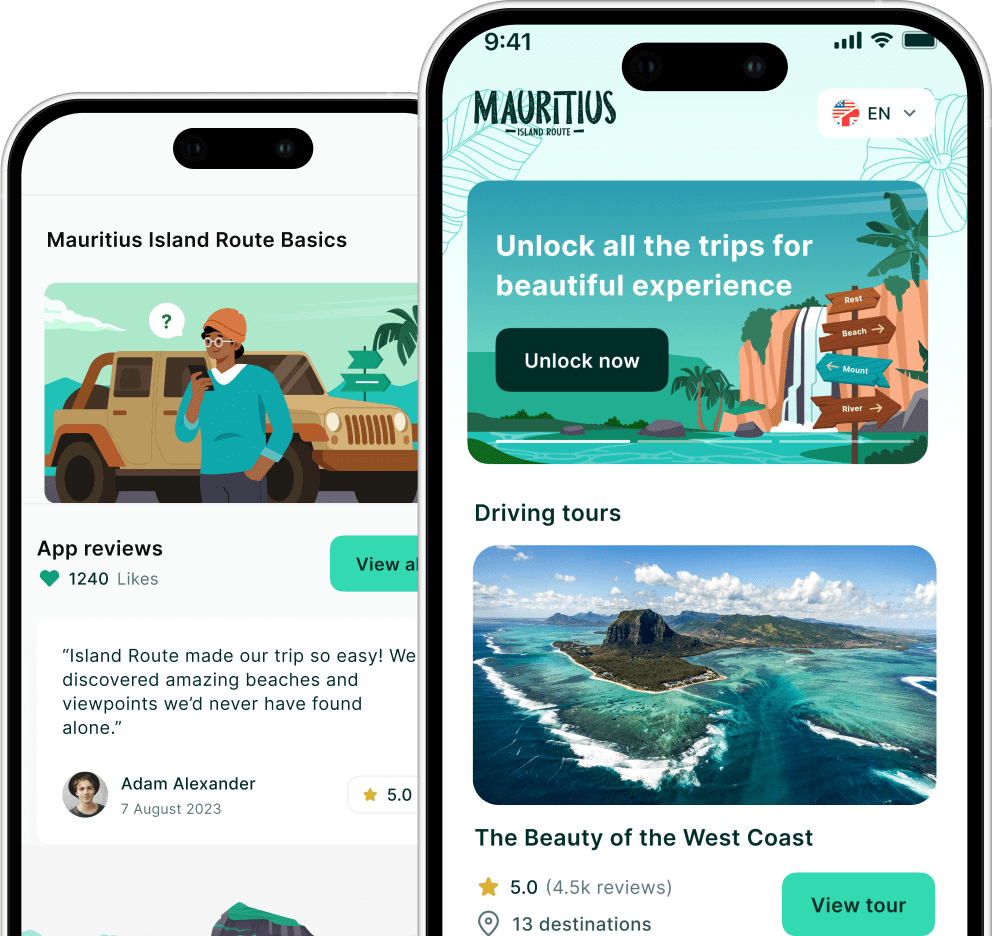
Start planning your cultural journey in Mauritius today! Visit IslandRoute.io to discover the best cultural activities, from historical tours to culinary experiences, and create an itinerary that connects you to the heart of the island’s vibrant heritage.