
People from Mauritius are called Mauritians. The 2022 census counted 1,233,097 residents in the Republic of Mauritius, with ancestry that is mainly Indian, African, Chinese and European. Mauritian Creole is the everyday language, English is the official language of government and education, and the largest religions are Hinduism, Christianity and Islam.
What Are Mauritius People Called?
If you are wondering what people from Mauritius are called, the answer is simple: people from Mauritius are called Mauritians. The term applies to all citizens of Mauritius regardless of ethnicity, religion, language or ancestry.
Mauritian is more than just a nationality. It represents one of the world’s most diverse cultural identities, shaped by centuries of migration, trade, and cultural exchange. Understanding who Mauritians are helps travellers appreciate the island beyond its beaches and resorts.
For visitors planning their first trip, the Mauritius Travel Guide provides an excellent introduction to the country’s history, culture, and attractions.
The Warmth and Hospitality of Mauritians
One of the most memorable parts of visiting Mauritius is experiencing the genuine hospitality of its people. From welcoming smiles to friendly conversations, Mauritians are known for making visitors feel comfortable wherever they go. Whether you are asking for directions, shopping at a local market, or dining at a family-run restaurant, you will often be met with kindness and a willingness to help. This welcoming attitude reflects the island’s multicultural heritage, where respect, openness, and community are valued in everyday life.
The warmth of Mauritians is rooted in generations of cultural diversity, shaped by Indian, African, Chinese, and European influences. This shared heritage encourages mutual respect and creates an atmosphere where visitors can easily connect with locals through food, festivals, and everyday experiences. Places like the Port Louis Central Market, neighbourhood food stalls, and community celebrations offer some of the best opportunities to experience authentic Mauritian hospitality firsthand.
Understanding the Mauritian Demonym
A demonym is the word used to describe people from a specific country or place.
| Country | Demonym |
| France | French |
| Australia | Australian |
| Canada | Canadian |
| Mauritius | Mauritian |
In daily life, you may also hear locals use the Creole term Morisien, which is the local equivalent of Mauritian.
Examples of Mauritian Usage
- She is Mauritian.
- Mauritians are known for their hospitality.
- Mauritian culture reflects many traditions.
- Many Morisiens proudly celebrate their multicultural heritage.
Understanding these terms can help visitors connect more naturally with local communities.
How Mauritian Identity Was Formed
Mauritius has one of the most diverse populations in the world. The island’s identity developed through centuries of migration from various regions.
The Mauritian population includes descendants of:
- Indian indentured labourers
- African communities
- Chinese immigrants
- European settlers
- Franco-Mauritian families
This blend created a society where multiple cultures coexist while contributing to a shared national identity.
Mauritius Population in Numbers
| Measure | Figure | Source |
|---|---|---|
| Population (2022 census) | 1,233,097 residents | Statistics Mauritius |
| Religion (2022 census) | Hinduism 47.9%, Christianity 32.3%, Islam 18.2% | Statistics Mauritius |
| Ancestry (estimate) | Almost 70% Indian origin, Creoles 27%, Chinese 3%, Franco-Mauritians 2% | Minority Rights Group |
Population and religion figures come from the 2022 Housing and Population Census published by Statistics Mauritius. Ancestry figures are estimates from Minority Rights Group.
To better understand the country’s location and historical importance, explore Where Is Mauritius in Africa and Where Is Mauritius Situated.
Indian Heritage and Its Influence
A significant portion of the Mauritian population traces its ancestry to India.
Indian culture influences many aspects of life, including:
- Cuisine
- Religious practices
- Family traditions
- Music and dance
- National celebrations
Popular festivals include:
- Diwali
- Holi
- Maha Shivaratri
These celebrations are widely observed and contribute significantly to the island’s cultural identity.
African and Creole Contributions
African ancestry has played a vital role in shaping modern Mauritian culture.
The Creole community has contributed:
- Sega music
- Traditional dance
- Culinary traditions
- Community celebrations
Sega remains one of Mauritius’ most recognisable cultural expressions and is frequently performed during festivals and special events.
Chinese and Franco-Mauritian Communities
Chinese immigrants made lasting contributions to:
- Commerce
- Business development
- Local cuisine
- Education
Meanwhile, Franco-Mauritians helped preserve:
- French language influences
- Architectural heritage
- Agricultural traditions
- European customs
Together, these communities helped create the multicultural environment visitors experience today.
Shared Traditions in Everyday Life
Despite their diverse backgrounds, Mauritians share many traditions that bring families, friends, and communities together throughout the year. These customs are woven into daily life, creating a welcoming atmosphere visitors quickly notice.
Family Gatherings
Family plays a central role in Mauritian society. Weekends, birthdays, and religious celebrations often bring several generations together to prepare traditional dishes, exchange stories, and spend quality time with one another. These gatherings help preserve local customs while strengthening family and community relationships.
Music, Dance, and Cultural Celebrations
Traditional Sega dancing remains one of Mauritius’ most recognisable cultural expressions. Performed during festivals, community events, and beach celebrations, Sega reflects the island’s African heritage while bringing people of all ages together through music and dance. Religious festivals such as Diwali, Chinese New Year, Eid, Christmas, and Cavadee further highlight the island’s multicultural identity, with communities celebrating side by side in a spirit of mutual respect.
Daily Life on the Island
In towns and villages, shop owners greet customers warmly, children walk home from school together, and families often gather at the beach or around the dinner table after work. Public buses remain one of the most popular ways to travel, while local markets and neighbourhood shops serve as lively community hubs where residents shop, socialise, and enjoy everyday conversations.
Languages Spoken by Mauritians
Mauritius is a multilingual nation where several languages are spoken daily.
| Language | Common Usage |
| Mauritian Creole | Daily communication |
| English | Government and education |
| French | Media and business |
| Bhojpuri | Family and cultural use |
| Mandarin | Community use |
Mauritian Creole
Mauritian Creole is the most widely spoken language and serves as the primary language of everyday communication.
English
English is the official language used for government, legal matters, and education.
French
French is widely used in business, media, and casual conversation.
Travellers interested in understanding local culture before arrival should read What Do First-Time Visitors Need to Know About Mauritius.
Religion and Cultural Traditions
Mauritius is known for religious diversity and coexistence, with Hinduism, Christianity, Islam, and Buddhism all widely practiced. It is common to find temples, churches, mosques, and shrines located close to one another, physically symbolizing the harmony that shapes everyday life on the island. This diversity is reflected in religious festivals, public holidays, architecture, and community traditions, and communities often celebrate one another’s festivals side by side regardless of their own beliefs. Visitors often describe Mauritius as one of the most culturally harmonious destinations in the Indian Ocean.
At the 2022 census, 47.9% of residents were Hindu, 32.3% Christian and 18.2% Muslim, according to Statistics Mauritius.
A Taste of Mauritian Life Through Food
Food is one of the clearest expressions of Mauritian identity, blending Indian, Creole, Chinese, and European traditions into dishes full of flavour. Popular local favourites include:
- Dholl puri: soft flatbread filled with ground lentils and served with curry
- Gateaux piments: crispy chilli fritters enjoyed as a snack
- Rougaille: a tomato-based Creole dish often paired with seafood or sausages
- Mine frit: Mauritian-style fried noodles influenced by Chinese cuisine
- Samosas: a common everyday street food
- Fresh tropical fruits: pineapple, mango, and lychee
Markets and neighbourhood food stalls are more than places to eat. They serve as community gathering spots where conversations, friendships, and cultural exchanges happen naturally, offering travellers an authentic glimpse into everyday Mauritian life.
How Visitors Can Experience Authentic Mauritian Culture
Travellers can gain a deeper appreciation of Mauritian identity by participating in local experiences and leaving room for authentic interactions. For a broader look at traditions, festivals, and heritage, see our guide to Mauritius culture. Start a conversation with a market vendor, ask locals for their favourite beaches or restaurants, or time your visit to overlap with a cultural festival. These small everyday moments often become the most memorable part of a trip.
Popular cultural activities include:
- Visiting local markets like the Port Louis Central Market
- Exploring traditional villages
- Attending cultural festivals such as Diwali, Cavadee, or Chinese New Year
- Sampling authentic cuisine at neighbourhood food stalls
- Joining guided cultural excursions or day tours
Visitors looking to discover different parts of the island can explore What Regions Should I Explore in Mauritius, book What Are the Best Day Tours in Mauritius, or compare Are Group or Private Tours Better in Mauritius.
What Are Mauritius People Called and Why Is It Important?
Knowing what people from Mauritius are called provides valuable insight into the identity of one of the world’s most culturally diverse nations. The correct term is Mauritian, a name that represents generations of cultural exchange among Indian, African, Chinese, and European communities.
Learning about Mauritian identity helps visitors build stronger connections with local people, better appreciate the country’s traditions, and gain a richer understanding of what makes Mauritius unique.
Discover Mauritian Culture With Island Route
Ready to explore the people, traditions, and experiences that make Mauritius unforgettable? Visit Island Route to discover expert travel guides, curated itineraries, local experiences, and insider tips designed to help you experience the authentic side of Mauritius.
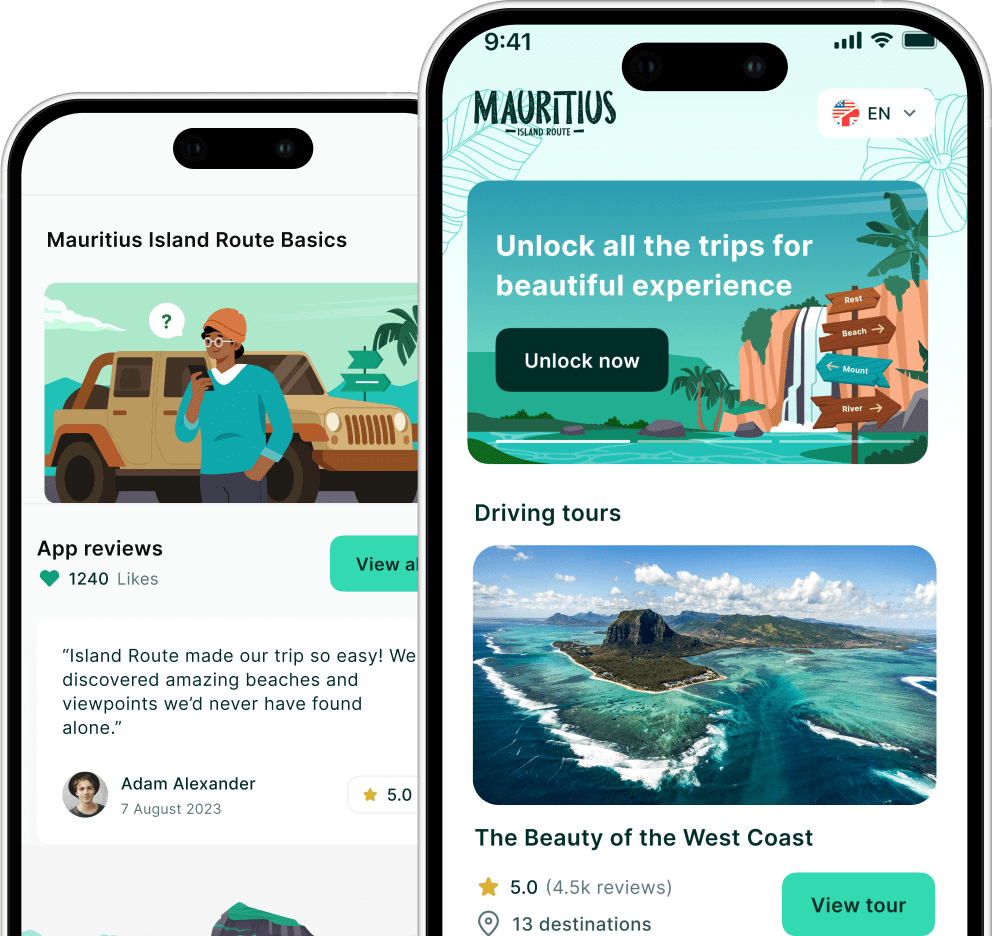
If you want to experience Mauritian culture firsthand, explore Mauritian culture on a self-guided tour with Island Route – the GPS audio app that tells you the story of each place as you drive.