
Mauritius is located in the Indian Ocean, about 2,000 kilometres (1,200 miles) east of mainland Africa and roughly 800 kilometres east of Madagascar. It is a small island nation that is geographically part of the African continent. Despite its remote location, it is a well-connected and popular tropical travel destination.
Where Is Mauritius: Your Complete Island Guide
Many travellers planning a tropical escape often find themselves asking where is mauritius before they book their tickets. This island nation is nestled in the turquoise waters of the Indian Ocean, located approximately 2,000 kilometres east of the African coast. Before you fly, understanding Mauritian nationhood is essential as it is a fully sovereign state with a rich history. Researching the Republic’s location reveals its strategic position along historical maritime routes near Madagascar and Reunion Island. This island destination offers a unique blend of volcanic landscapes, coral reefs, and multicultural heritage.
Where Is Mauritius on the World Map
Understanding where Mauritius is located becomes much clearer when you break it down geographically and visually. Although it may seem remote at first glance, its position in the Indian Ocean places it within a well-connected and historically significant region.
Global Position and Coordinates
- Region: Southwestern Indian Ocean
- Continent: Geographically part of Africa
- Coordinates: Approximately 20° South latitude and 57° East longitude
- Time Zone: Mauritius Time (GMT+4), making it ahead of many European countries
- Nearest large landmass: Madagascar, approximately 800 kilometres west
- Neighboring islands: Réunion and Rodrigues (together forming the Mascarene Islands)
- Hemisphere: Southern Hemisphere, just north of the Tropic of Capricorn
These coordinates place Mauritius within the tropical belt, contributing to its warm climate, lush vegetation, and year-round appeal for travellers.
The Geographic Setting
To pinpoint the island’s coordinates, one must look toward the Mascarene Islands, a volcanic chain that also includes Réunion and Rodrigues. The land was formed by ancient volcanic activity millions of years ago, producing a lush interior of mountains, forests, and waterfalls alongside its coastal plains. Coral reefs almost entirely surround the island, protecting the calm turquoise lagoons that make it a top destination for snorkelling and swimming. Despite its remote feel, finding arrival options is simple, with numerous international flights serving the main airport in Plaisance. The island sits at approximately 20 degrees south of the equator, just north of the Tropic of Capricorn, ensuring a warm climate throughout the year.
Cultural Heritage
You might wonder about the famous features of the local society beyond the scenery. The population is a vibrant mix of descendants from Africa, India, Europe, and China. As noted by the BBC, this diversity is the result of centuries of migration, leading to a unique cultural tapestry visible in local music, festivals, and the wide variety of street food found in the capital. English serves as the official administrative language, while French, Mauritian Creole (a French-derived local dialect), and various Asian languages are spoken in daily life. Religious life is equally varied, with Hinduism, Christianity, Islam, and Buddhism all widely practiced. Mosques and halal food are widely available, and many hotels and restaurants cater to Islamic dietary needs, making the island welcoming to Muslim travellers.
Exploring Districts
The island is organised into nine distinct districts, each offering a different atmosphere and character. Port Louis, the capital, sits on the northwestern coast and serves as the hub for business and culture. Pamplemousses is known for its botanical gardens, home to the famous giant Victoria water lilies. Moka and Plaines Wilhems sit inland with high-altitude plateaus, while Black River, Grand Port, and Savanne cover the western and southern coasts with quieter lagoons and dramatic cliffs. As explained by Britannica, these regions vary from the urban energy of Port Louis to the peaceful shores of the south, giving travellers plenty of variety within a small island.
Mauritius enjoys a tropical climate with year-round temperatures between 21 and 30 °C (70 to 86 °F). The warm season from October to April brings higher humidity and is ideal for swimming and water sports, while the cooler season from May to September stays mild and dry, making it best for hiking and inland touring. Peak tourism runs from December to February, and visitors should be aware that cyclone season runs from November to April. The shoreline remains a major draw for international tourism, with Lonely Planet recommending the white sands of Belle Mare and the dramatic cliffs of Le Morne. All beaches in the country remain public property, allowing everyone to enjoy the turquoise lagoons.
The World Bank classifies the nation as a high-income economy with a strong focus on tourism, textiles, and financial services. This economic strength ensures that infrastructure such as roads and public facilities remains well-maintained for visitors. Protecting endemic flora and fauna, such as those found in the Black River Gorges National Park, remains a top priority for the local government.
Why Location Matters for Travellers
- Flight Accessibility: Direct and connecting flights link Mauritius to Europe, Asia, and Africa via major hubs such as Dubai, Johannesburg, and Paris, with flight time from mainland Africa around 3 to 4 hours
- Airport Transfer: The main international airport in Plaisance sits about 48 kilometres (30 miles) from Port Louis, roughly a 40 to 50 minute drive
- Climate Advantage: Its tropical location ensures warm weather ideal for beach vacations
- Marine Ecosystem: Surrounded by coral reefs, offering excellent snorkelling and diving opportunities
- Strategic Travel Hub: Positioned between Africa and Asia, making it a unique cultural crossroads
- Getting Around: Rental cars, taxis, public buses in town areas, and local day tours make it easy to reach hidden beaches, mountain paths, and inland attractions like tea plantations
By visualizing where Mauritius is on the map, travellers can better plan routes, understand travel distances, and appreciate the island’s unique position in the Indian Ocean.
Exploring Where Is Mauritius
Mauritius is more than just a point on the map, it is a tropical haven with volcanic peaks, coral reefs, and a harmonious mix of cultures. By understanding where is mauritius located, travellers can appreciate its geographic beauty, historical significance, and vibrant communities, making every visit a memorable and enriching experience.
Start Your Mauritius Adventure Today
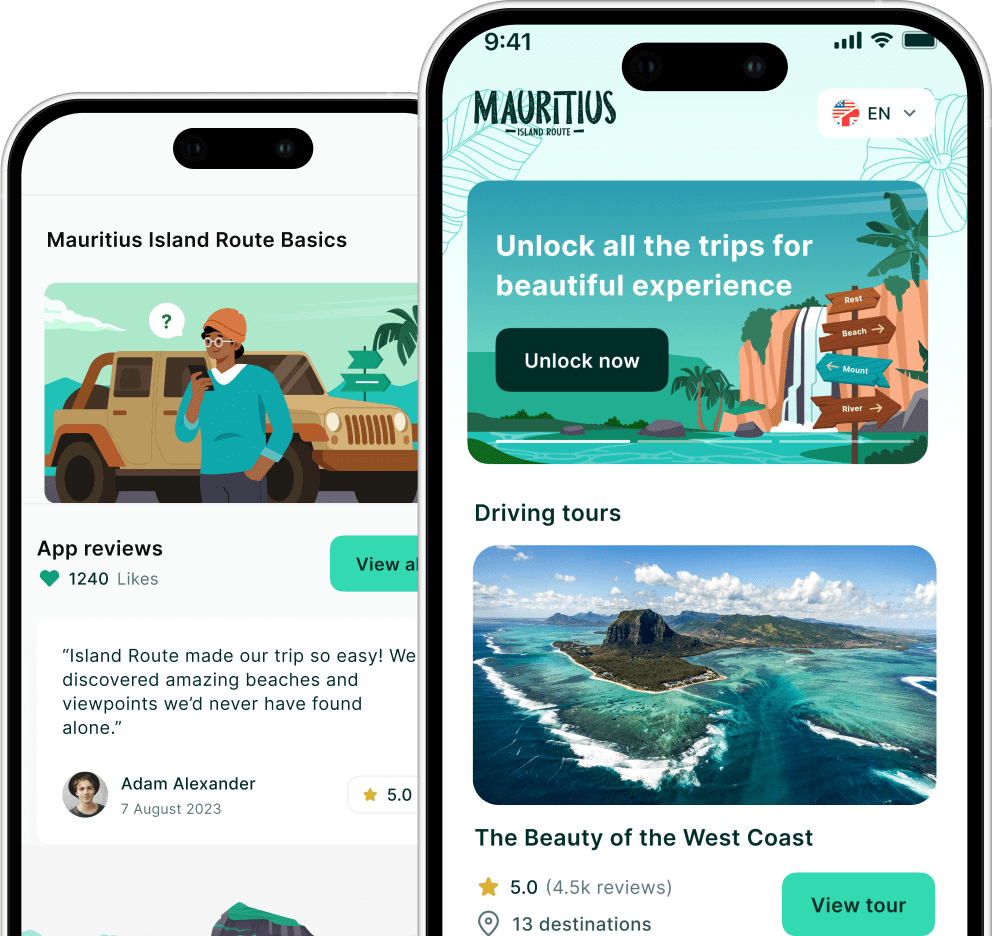
Plan your trip with ease using the Island Route app. Discover hidden gems, navigate districts, and find top attractions across Mauritius. Visit Island Route to download the app and begin crafting your ultimate island itinerary for a seamless tropical experience.